hEar
What if sound could be felt?
A wearable device translating the sounds around you into touch, in real time.
Patent granted · No. 591733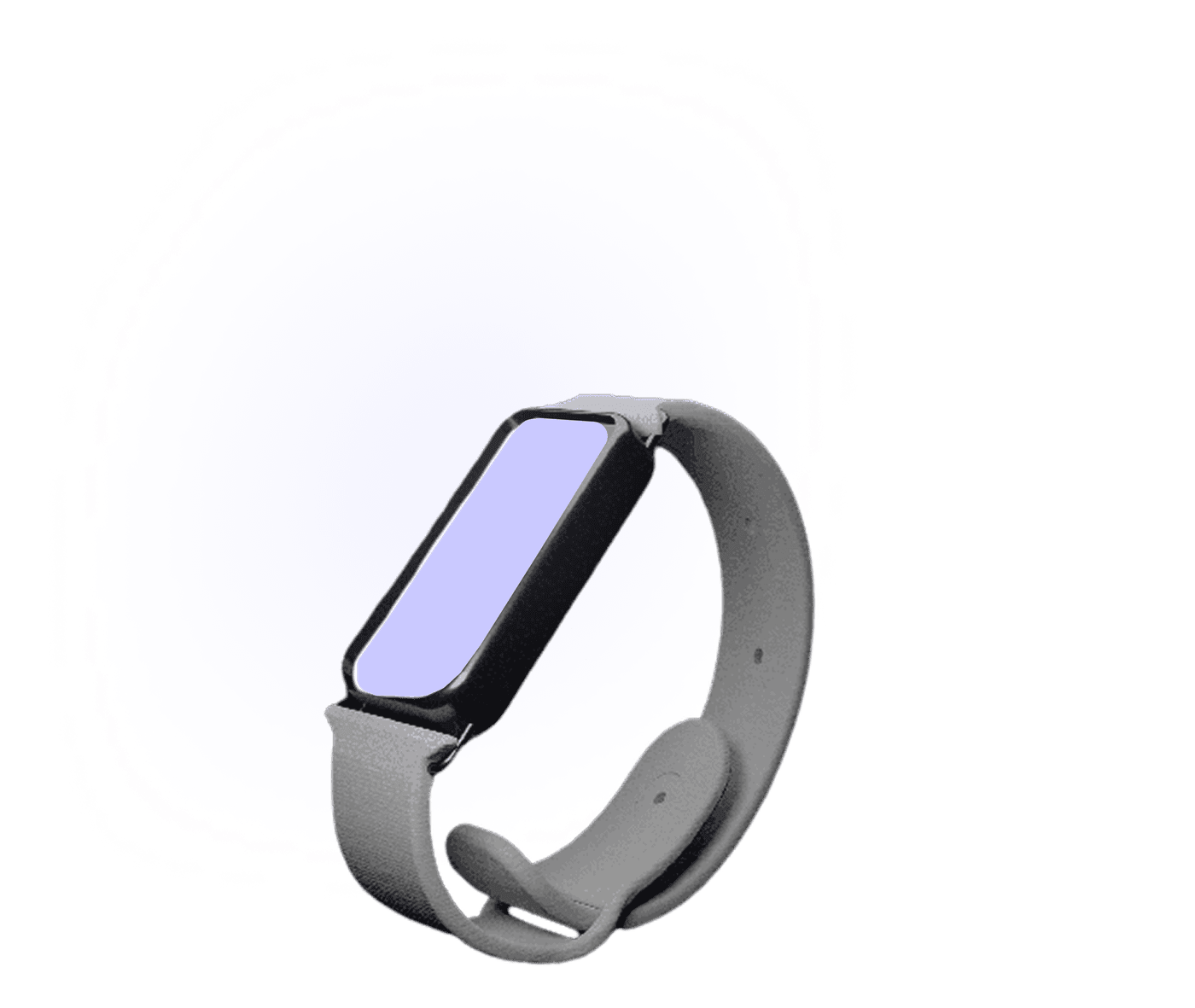
What if sound could be felt?
A wearable device translating the sounds around you into touch, in real time.
Patent granted · No. 591733
Problem: For Deaf users, the hardest part of communication often isn't the language gap, it's the moment itself, conversations that move faster than lip-reading, interpreters, or captions can keep up with.
Approach: Research into different Deaf experiences and real-life communication scenarios, leading to a haptic device that translates speech into phonetic tactile feedback, a language you learn through touch.
Outcome: The concept won IIC Bharat 1.0 (2023) and was later granted an Indian patent (No. 591733, June 2026).
02 / PROBLEM STATEMENT
Real-time communication can become inaccessible for Deaf individuals when spoken language has no immediate visual or interpretive alternative. This creates a gap not just in hearing, but in participating in the moment.
The challenge isn't simply not hearing. It's the possibility of missing information, context, or a response in the moment, while the conversation continues around you.
03 / EXISTING SOLUTIONS
Before asking what hEar should do, we first looked at what technology already makes accessible. The landscape fell into three broad categories:
But mapping these solutions revealed a gap…
04 / MARKET RESEARCH
68 Million
The National Association of the Deaf estimates 18 million Indians have hearing loss, while the Indian Journal of Otology suggests it's closer to 63 million. WHO considers severe hearing impairment, yet in India, only those with 40 percent disability or above 60dB loss qualify as hearing handicapped.
31%
feel they are treated differently because of their deafness, hearing loss and tinnitus
33%
of people who are deaf avoid social situations because they find it difficult to communicate
68%
of people with hearing loss feel isolated at work as a result
99%
of hearing-impaired people are either uneducated or drop out after Class VI or VII, because they are not able to cope
Hearing loss is one of the most widespread sensory impairments worldwide. In India alone, approximately 63 million people have been estimated to live with significant auditory impairment, around 6.3% of the population.
And the scale is only growing. By 2050, nearly 2.5 billion people globally are projected to experience some degree of hearing loss, with more than 700 million requiring hearing rehabilitation.
05 / PRIMARY RESEARCH
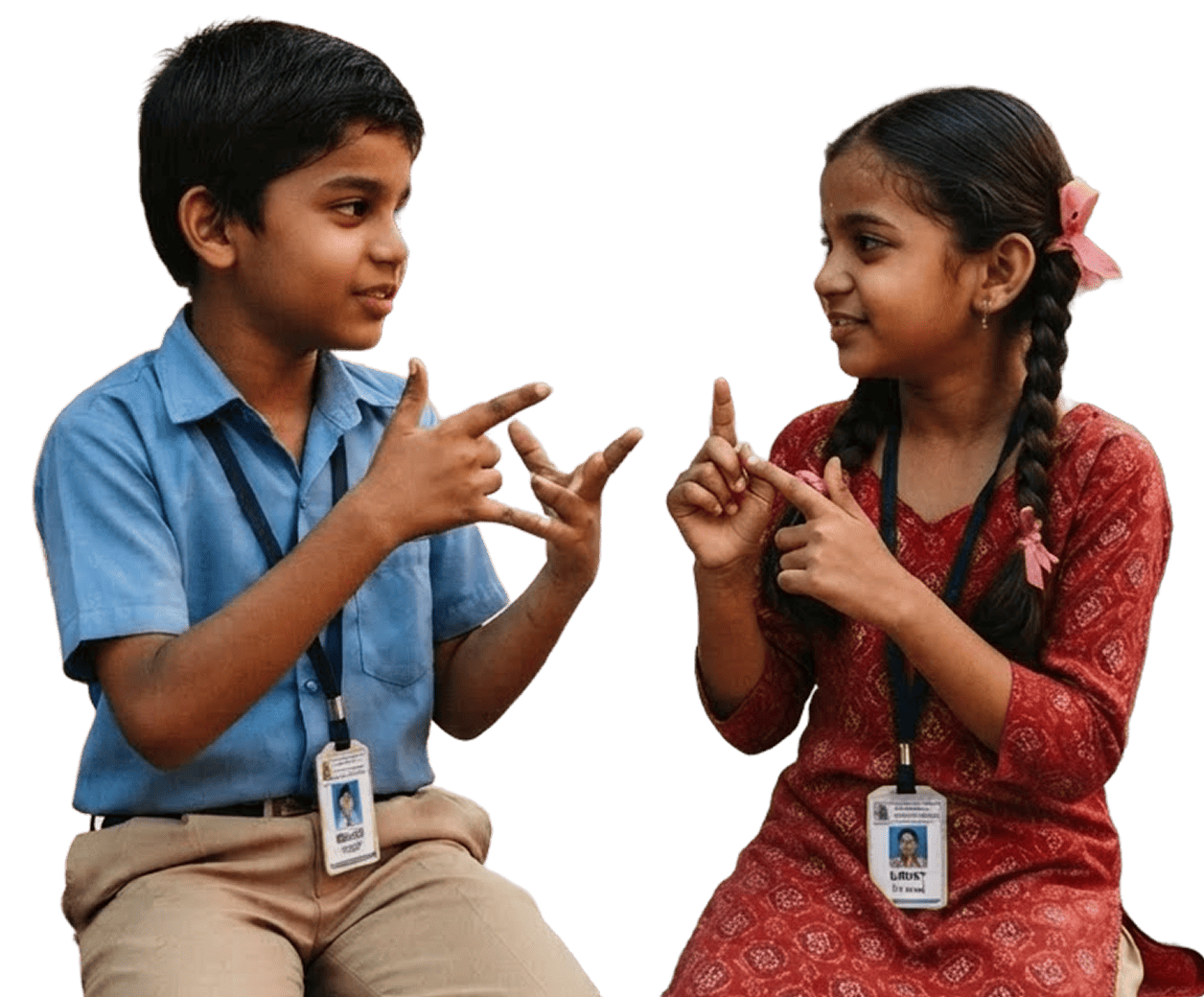
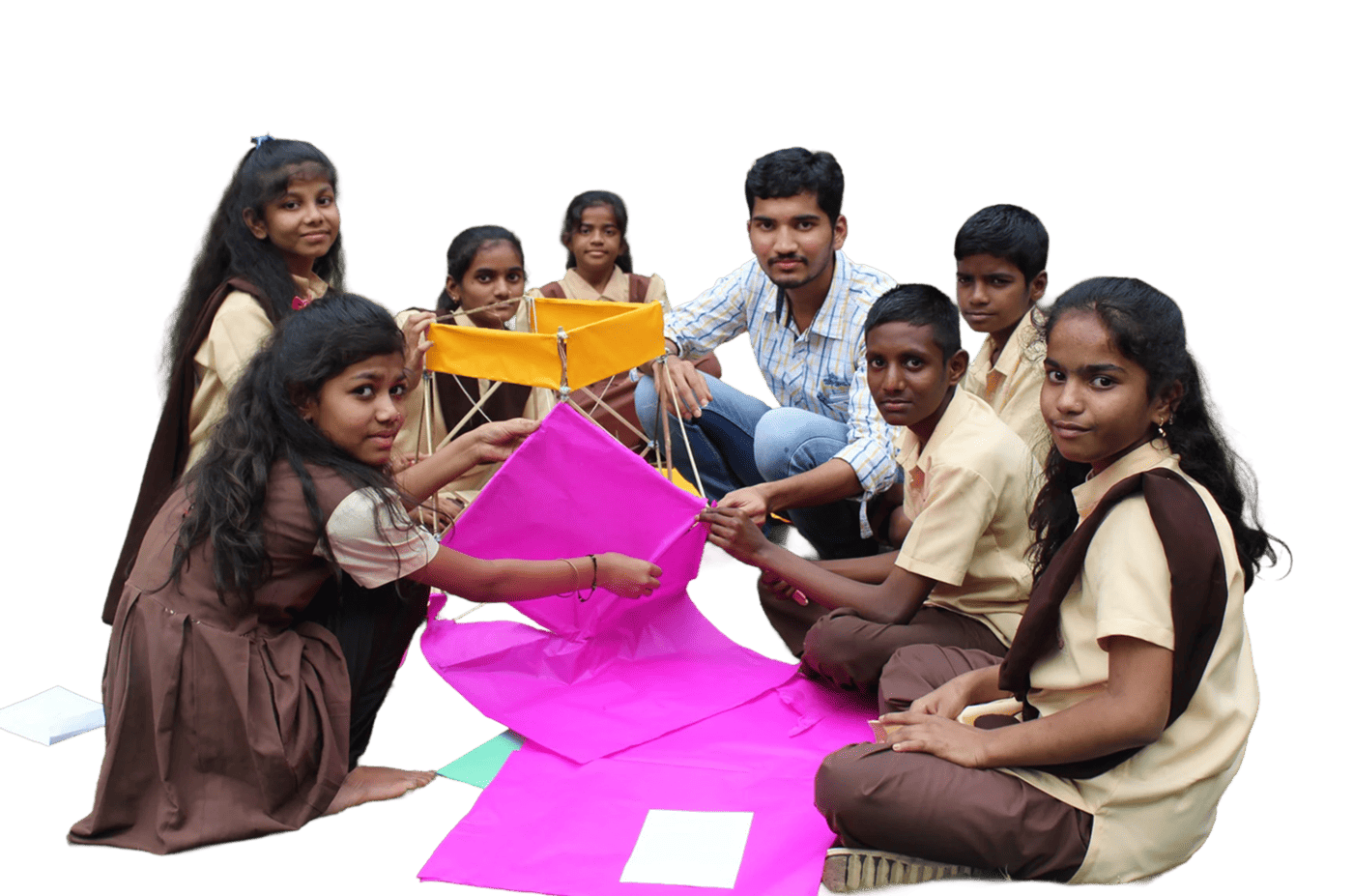
To move beyond statistics and existing solutions, we went into the environments where communication happens every day, field visits to restaurants employing Deaf staff and a school for Deaf students, to ground design decisions in lived experiences rather than assumptions.
06 / EMPATHY MAP
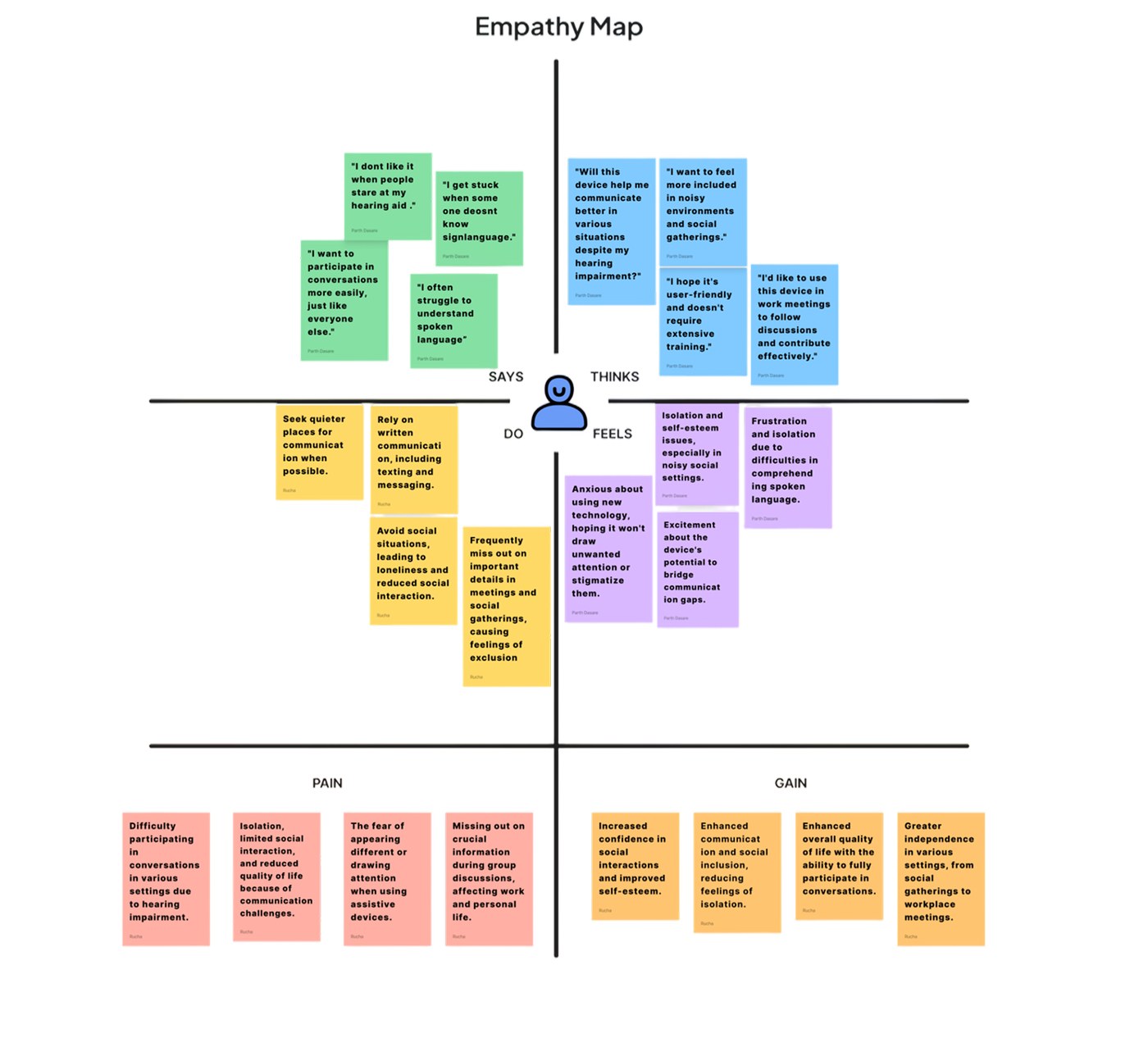
Mapping what users said, thought, felt, and did revealed a consistent thread: the anxiety of being misunderstood in the moment outweighed concerns around vocabulary or fluency itself.
The problem wasn't simply knowing the language. It was being able to keep up with the conversation, understand what was happening, and respond with confidence, while it was happening. This shifted our design priority toward two things: Speed. Clarity.
07 / AFFINITY MAP
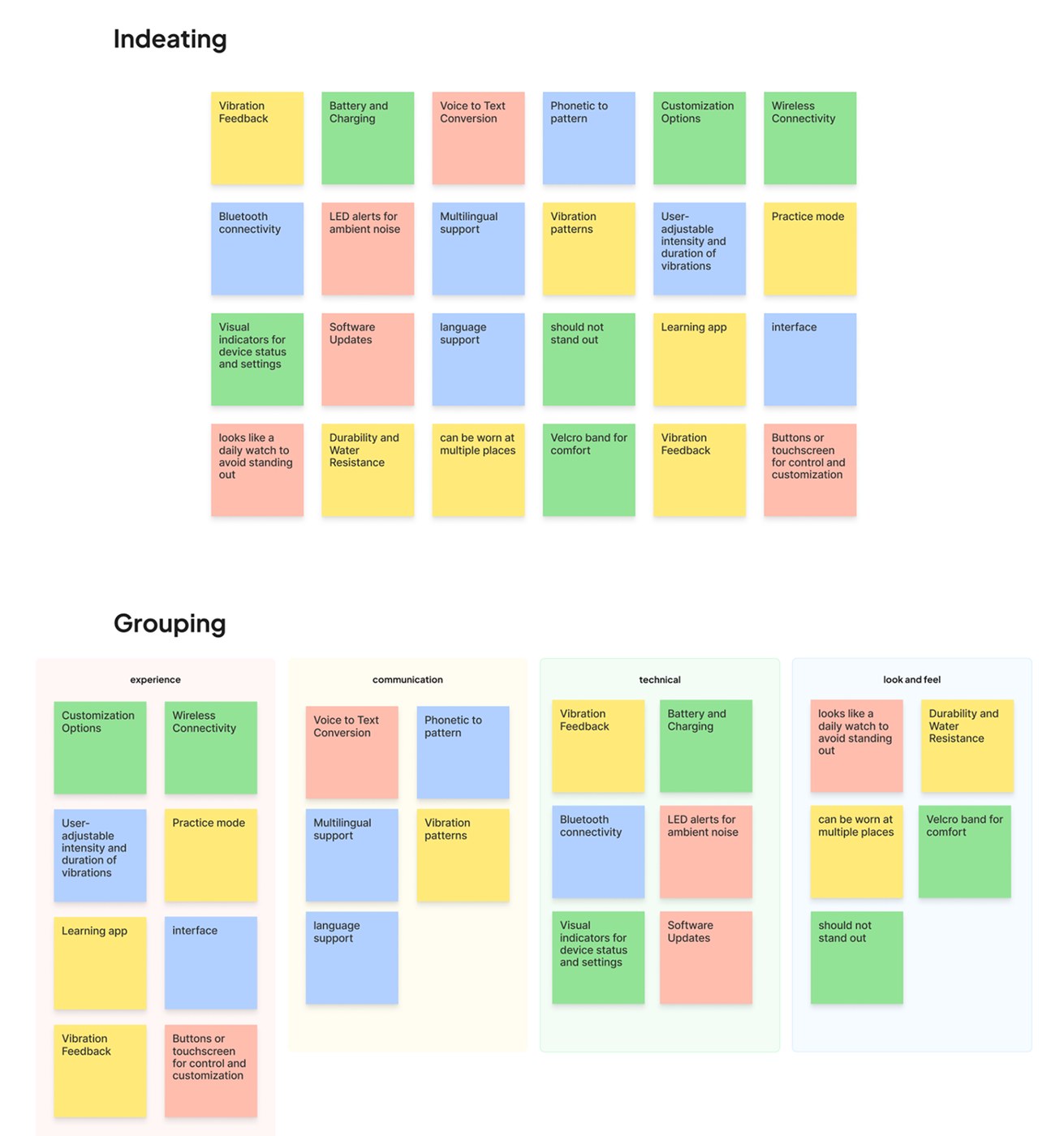
Safety, being able to perceive warnings and important auditory cues.
Workplace inclusion, understanding instructions and participating independently.
Education access, receiving and interpreting information without communication becoming a barrier.
Social confidence, engaging without the constant fear of misunderstanding.
Across all four, one need kept resurfacing: communication had to happen in real time, and without demanding constant effort.
08 / USER PERSONAS
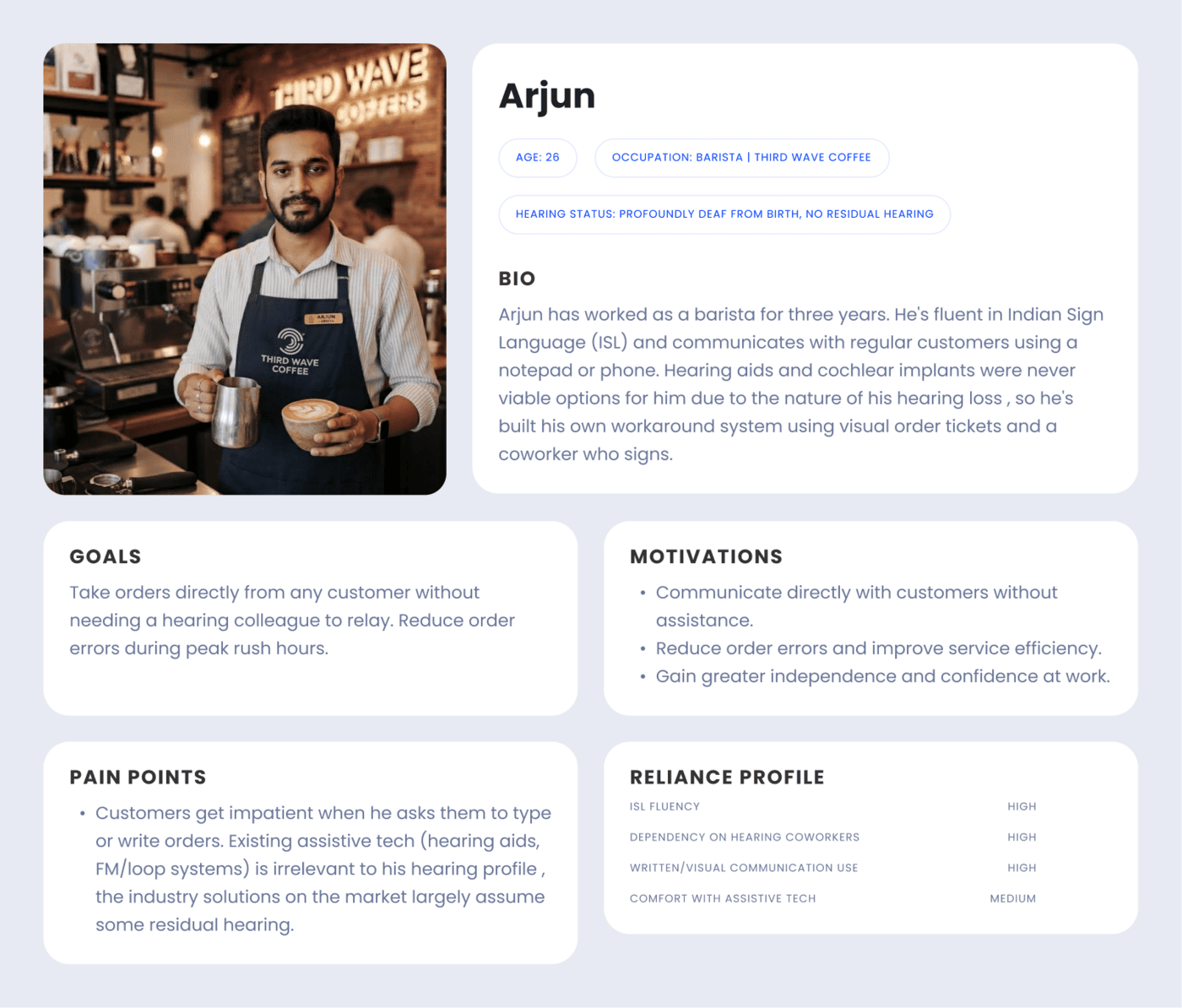
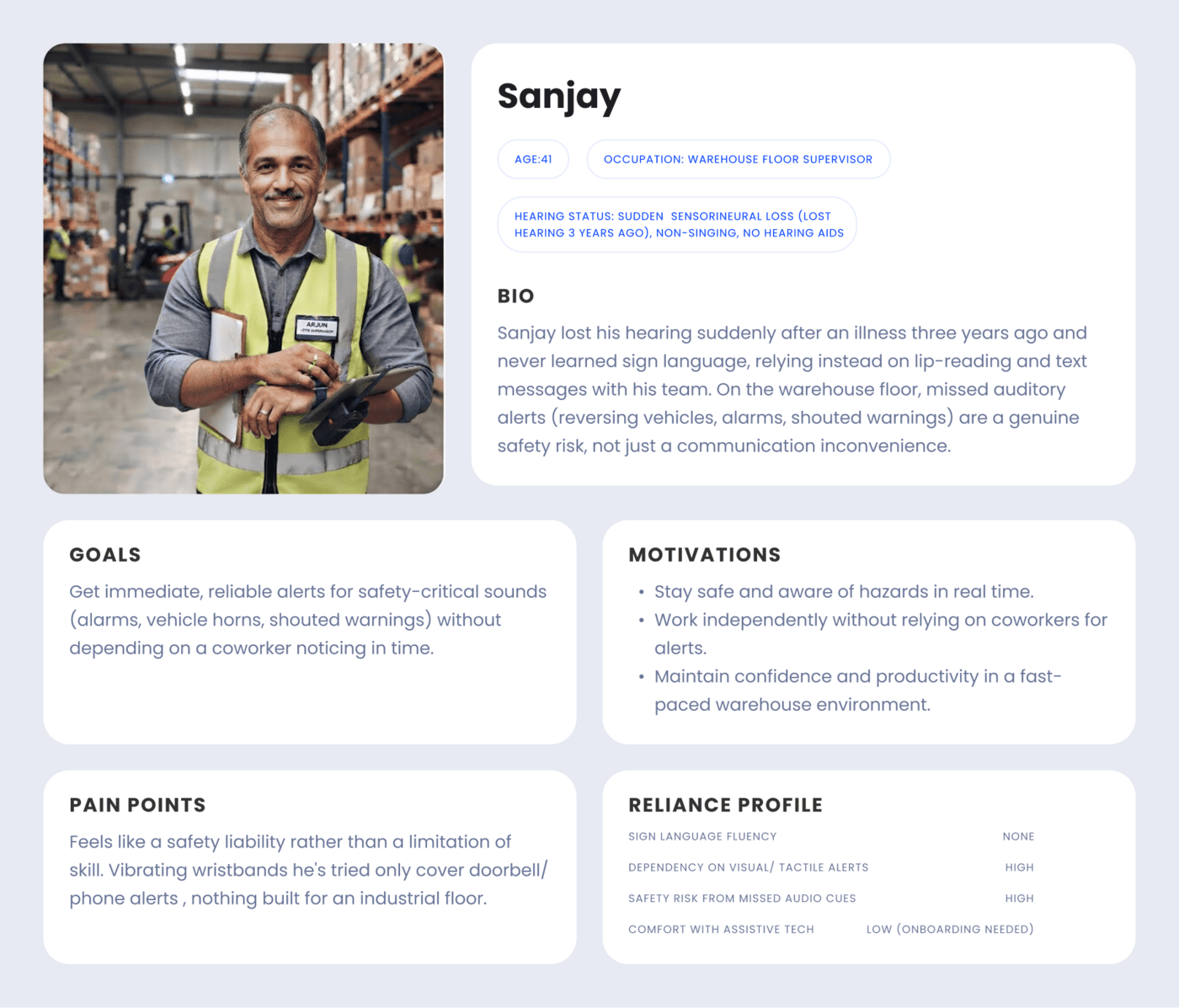
Our research revealed that the Deaf and hard-of-hearing community is far from homogeneous, from first-language sign users to people newly navigating hearing loss. Different starting points. Different needs. One shared challenge: being able to participate in communication as it happens.
09 / TOWARDS THE SOLUTION
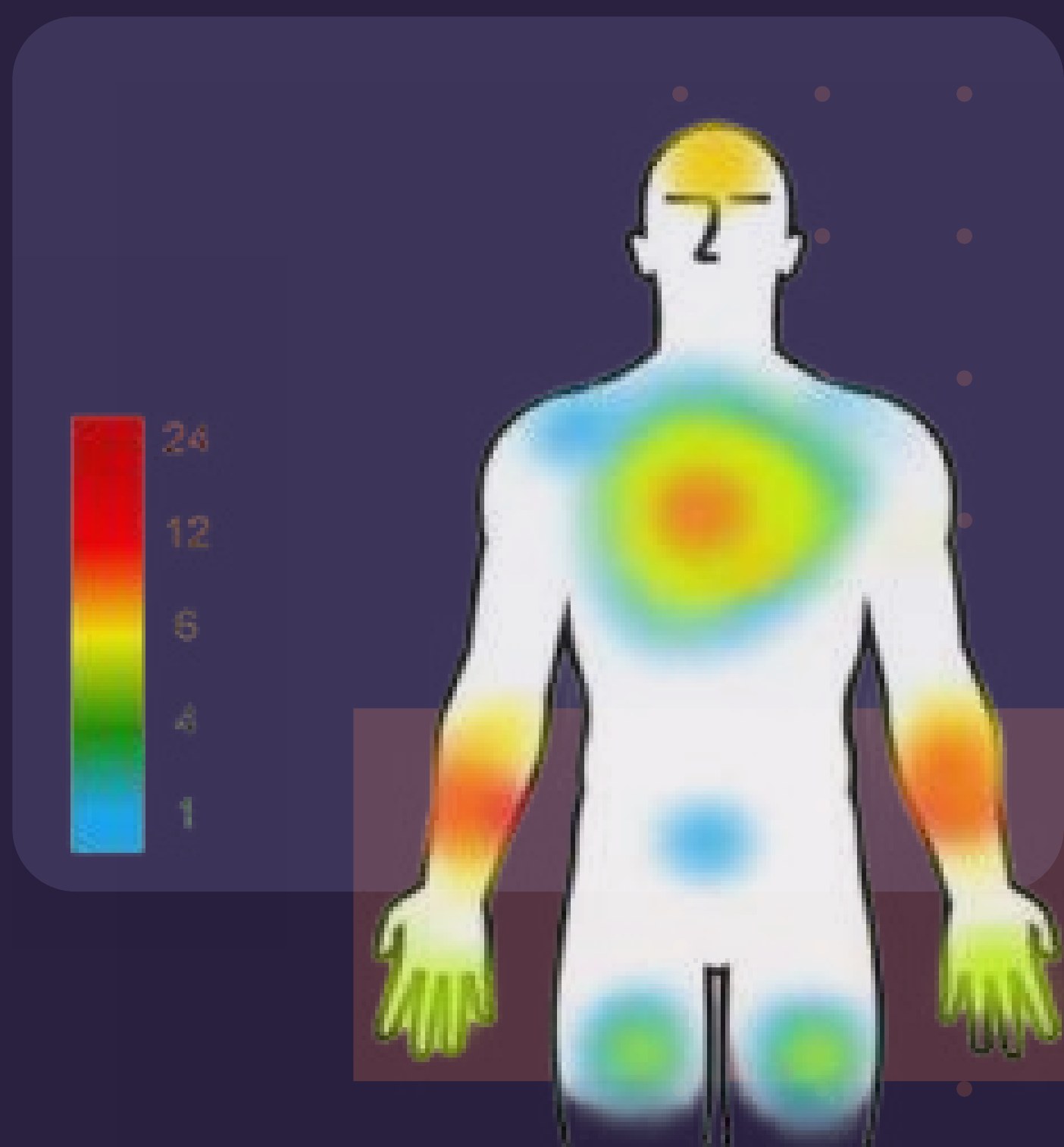
Our research pointed toward a different way of approaching real-time communication: instead of trying to make sound more accessible, what if spoken language could be translated into touch?
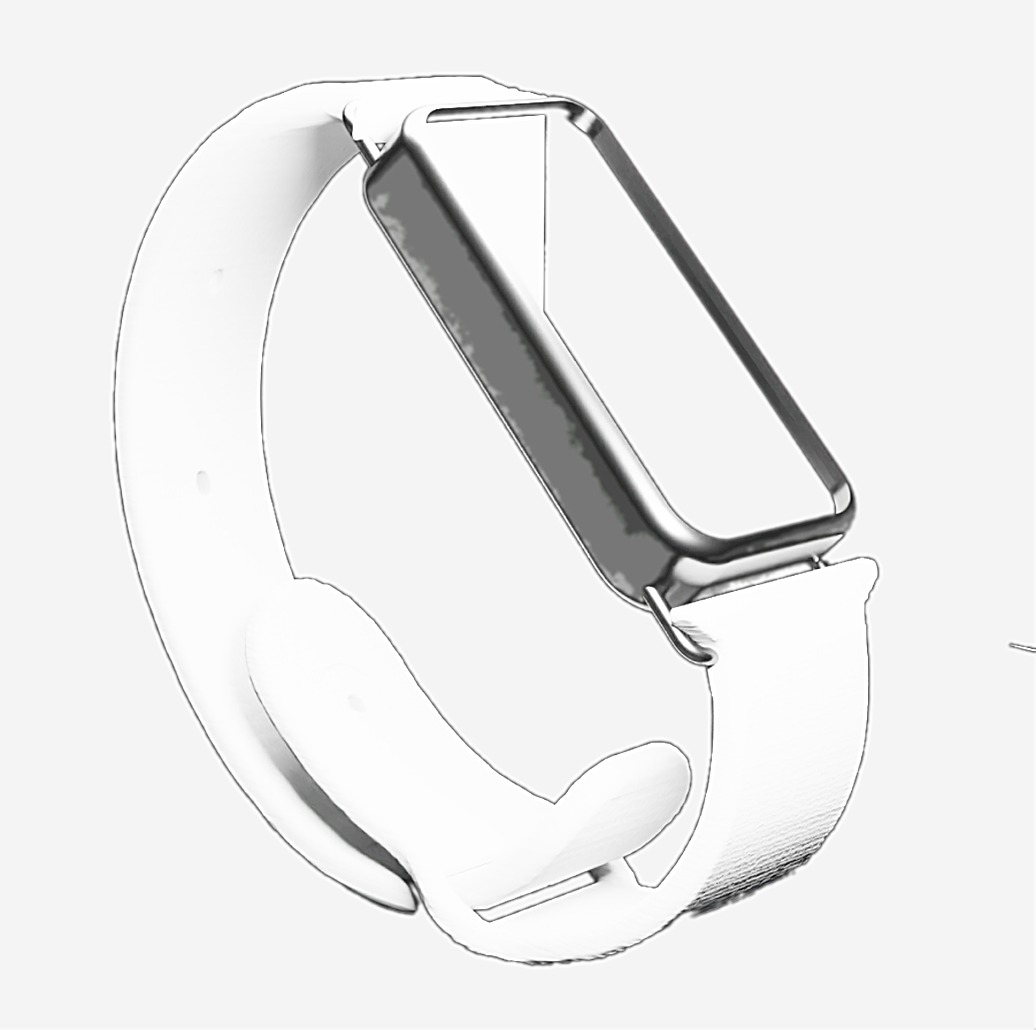
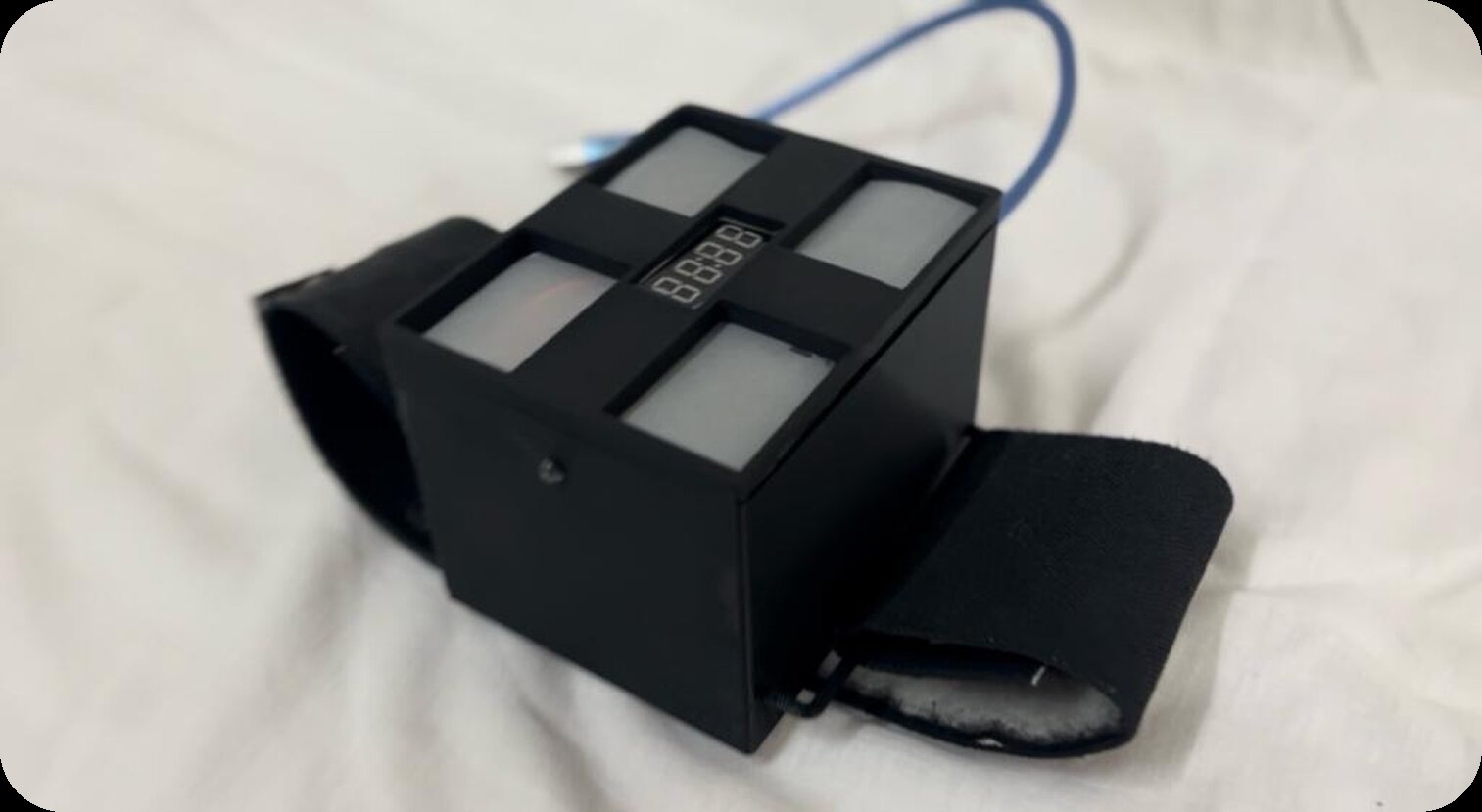
That idea became hEar, a wrist-worn tactile communication device designed to convert spoken language into phonetic vibration patterns that can be perceived through the body.


10 / WORKING EXPLAINED
An effective device designed to empower individuals with hearing impairments. Our device leverages cutting-edge technology to translate sound into patterns of vibration on the skin, opening a new world of sensory perception.
Voice → Text → Phonetics → Vibration → Touch
11 / LANGUAGE GUIDE
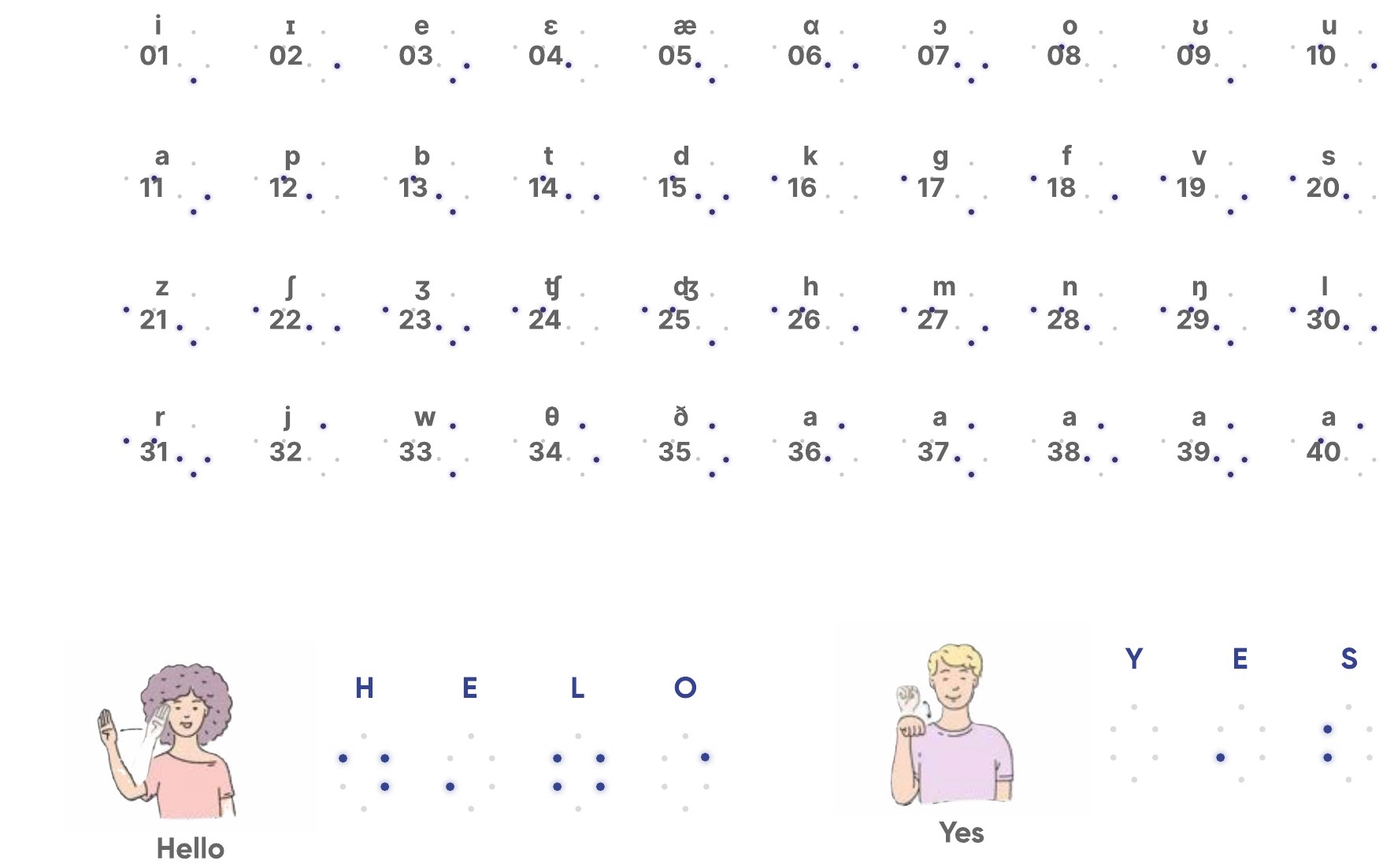
This comprehensive manual elucidates the process of converting phonetics into vibration patterns through meticulous numerical assignments, a valuable reference for a thorough understanding of the transformation.
12 / THE COMPANION APP
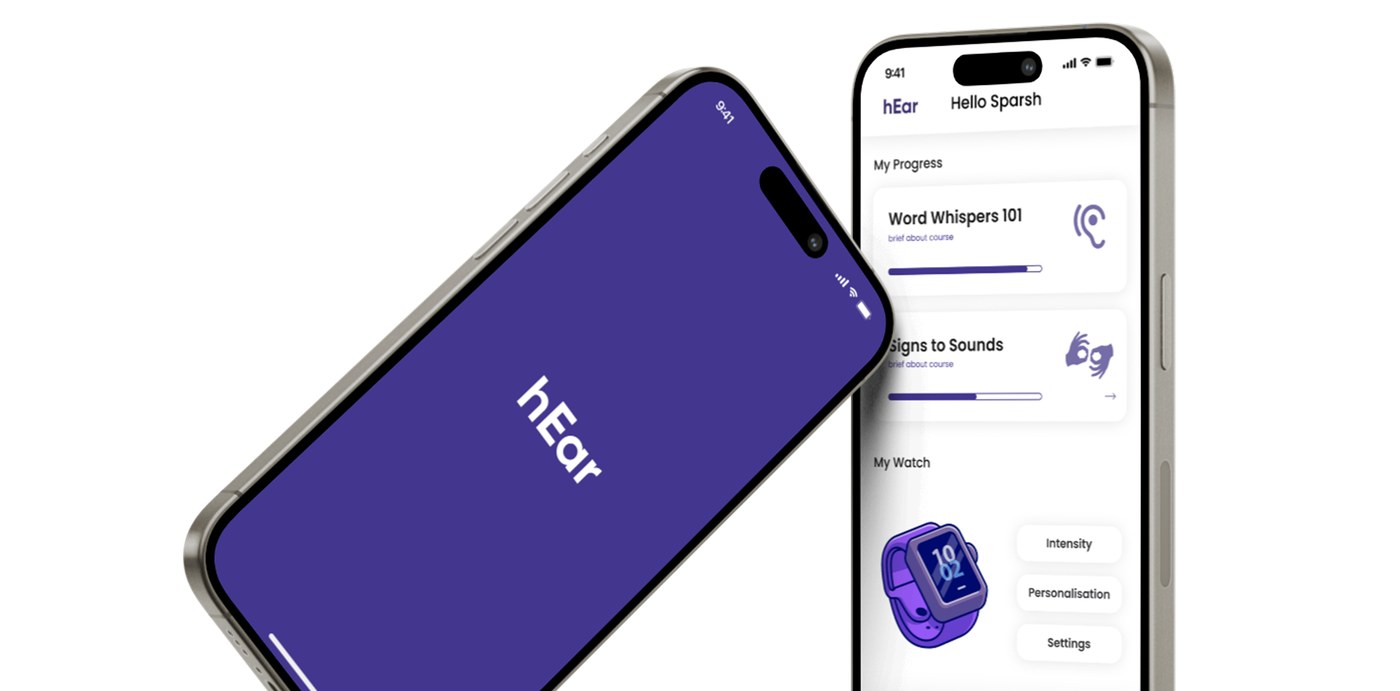
We've developed a specialized application for deaf children, seamlessly integrated into their tailored curriculum. This addition reduces cognitive fatigue, streamlines communication, and has the potential to enhance the learning experience while boosting their confidence and self-esteem.

13 / LEARNING SCREENS
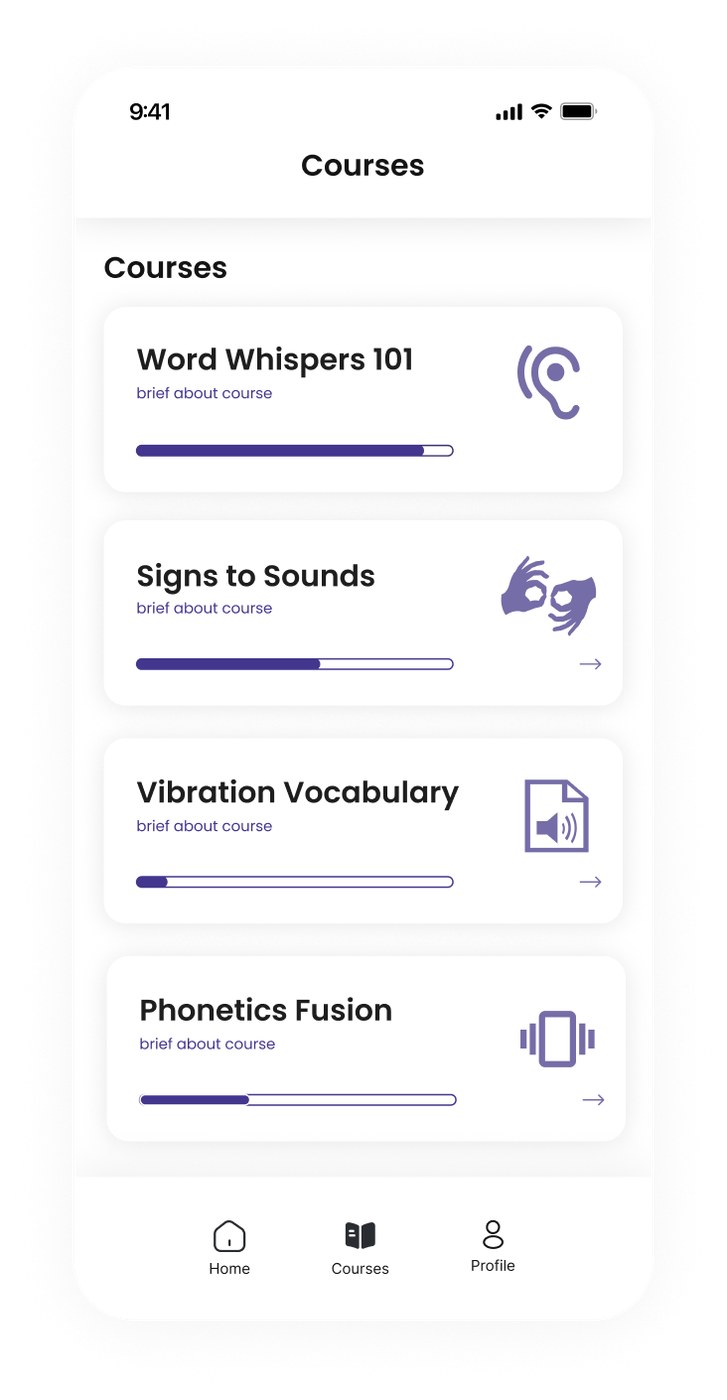
Courses
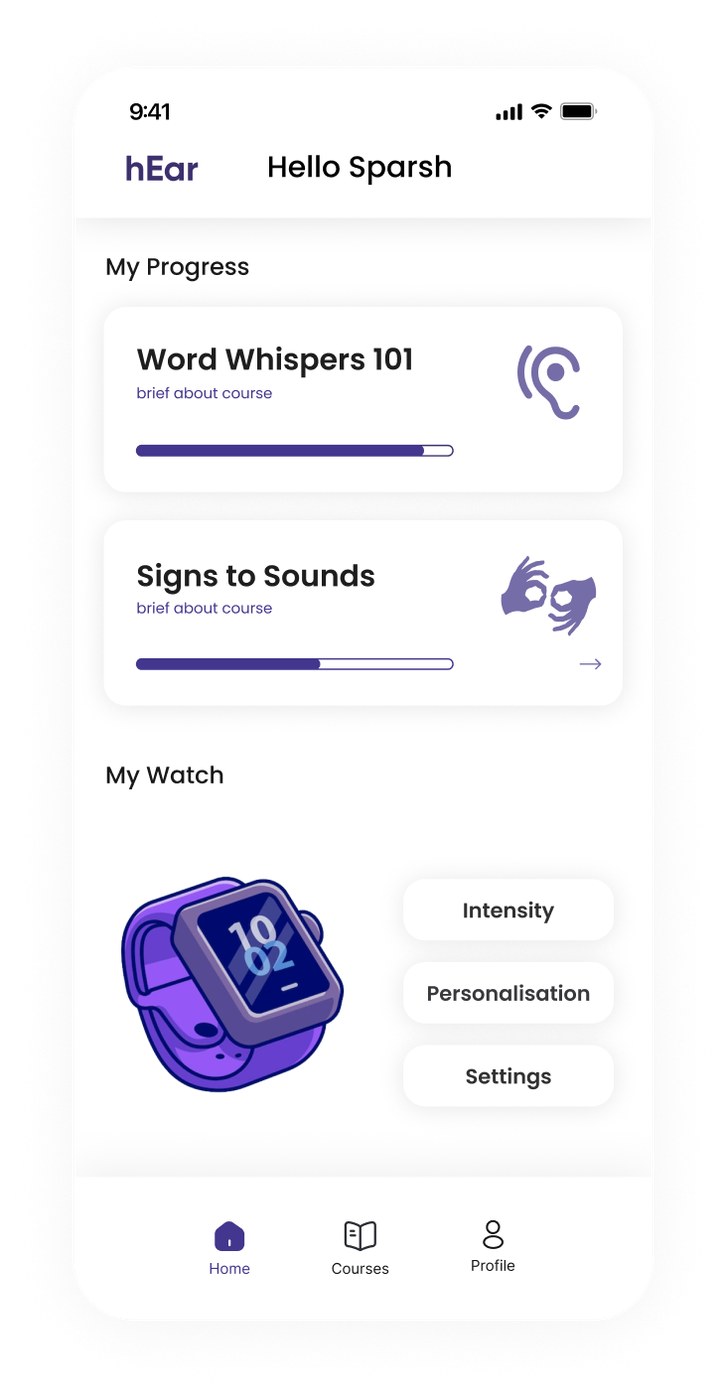
My Watch
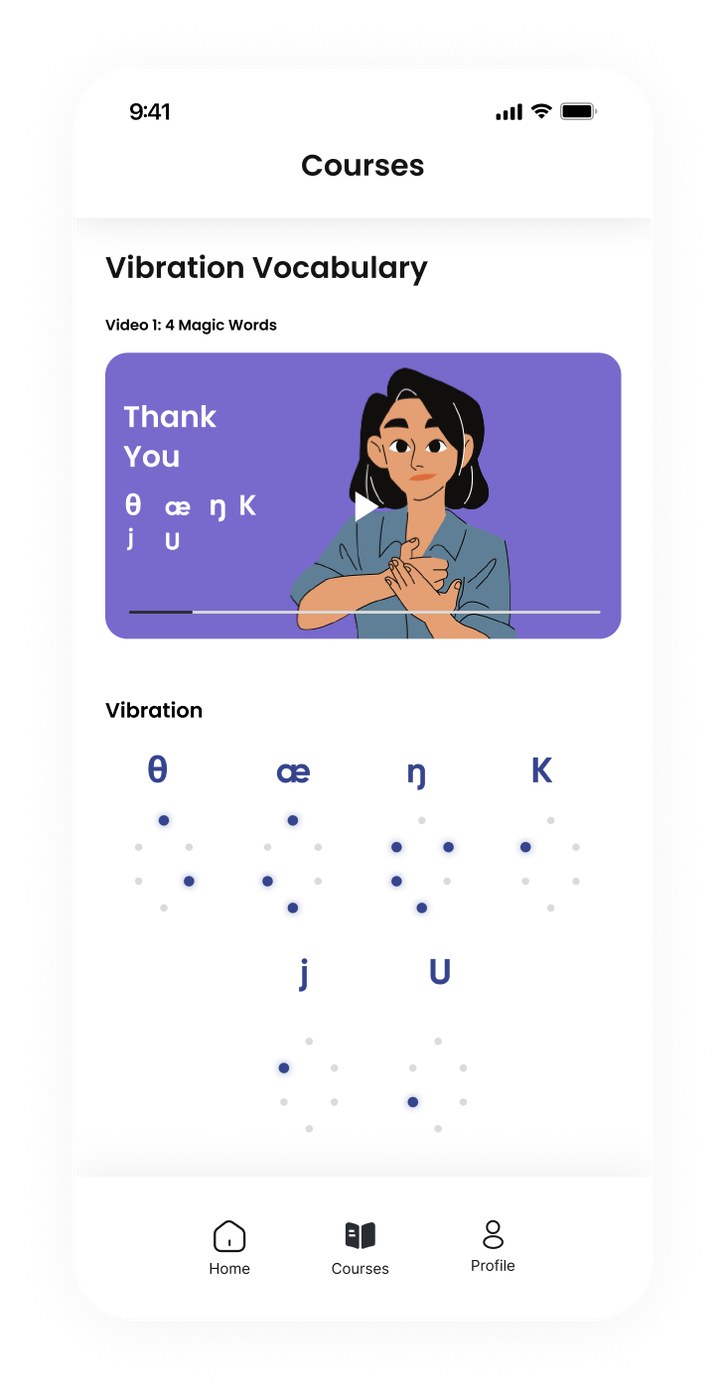
Vibration Vocabulary
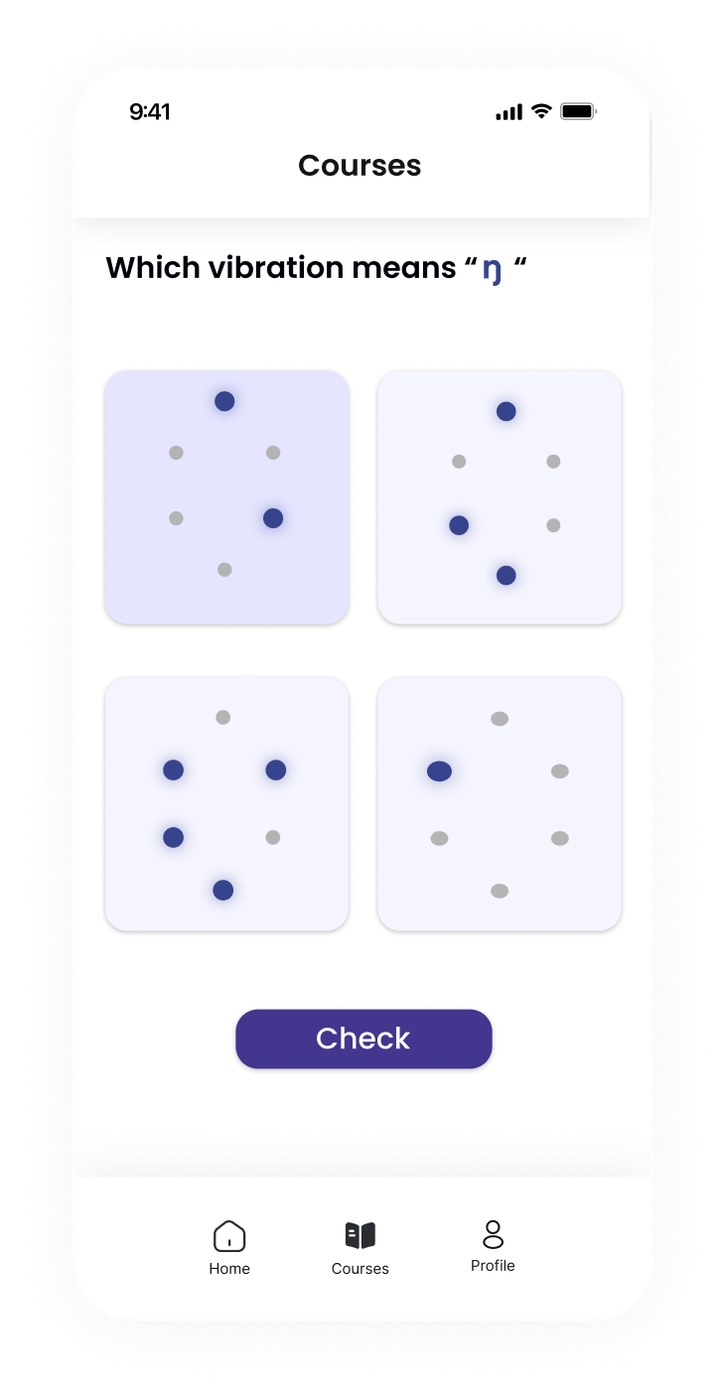
Practice & Quiz
14 / PROTOTYPING PHASE
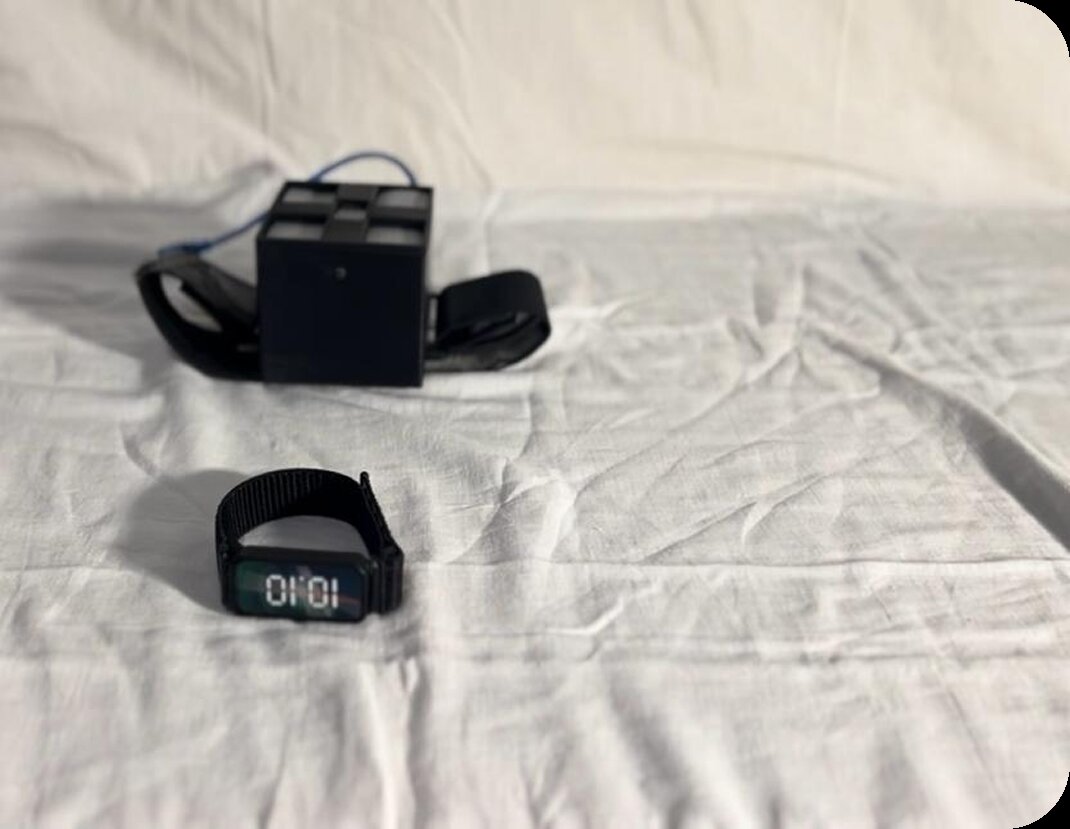
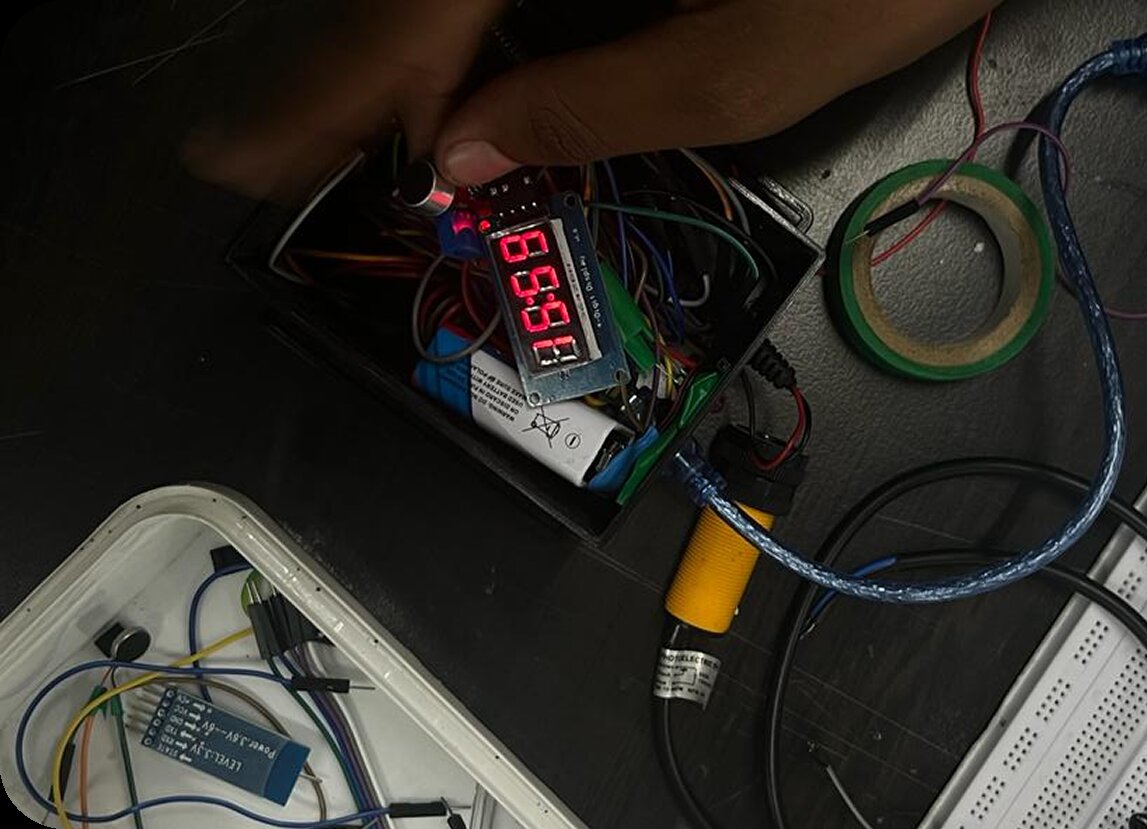
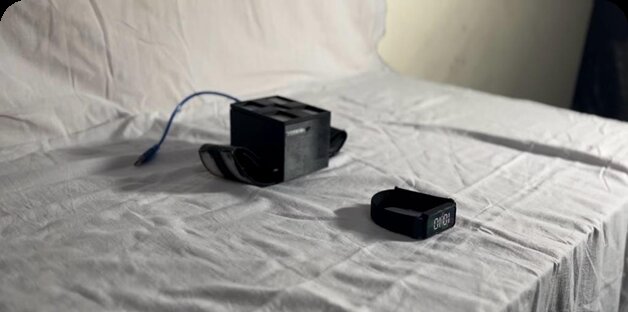
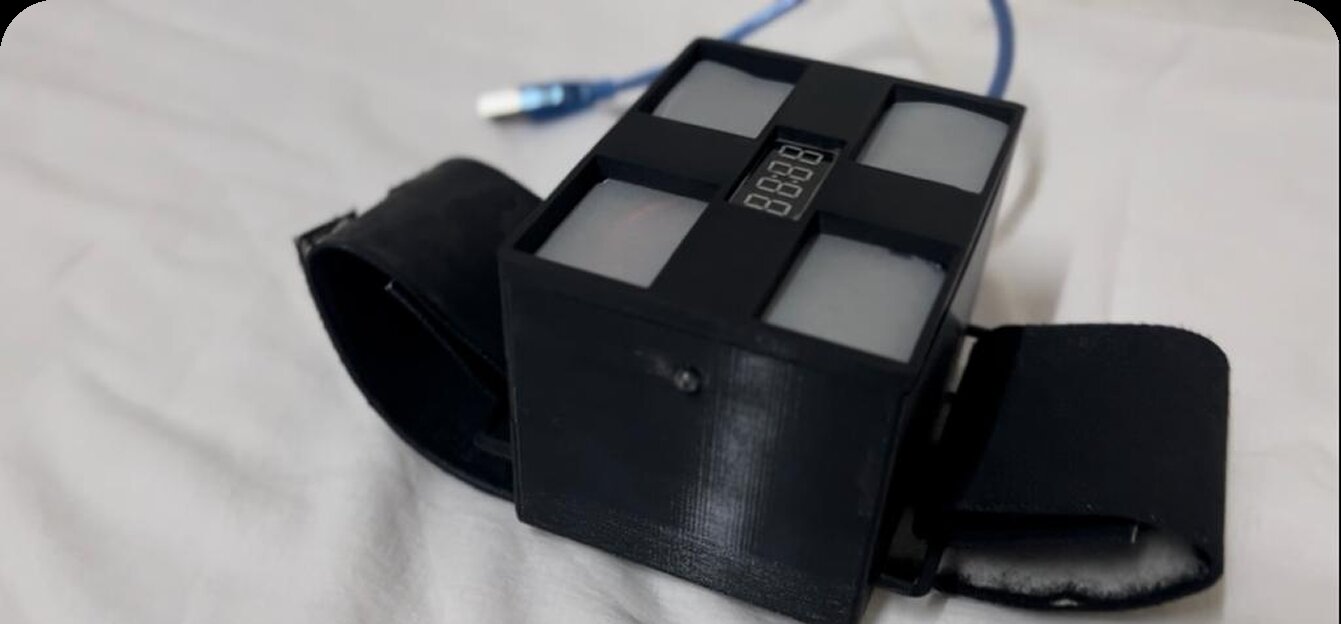
Thank you :)